

Javier Davalos Rides An Electric Unicycle When He Isn't Building Figmin XR Among Reptiles
Javier Davalos thinks about mixing realities while riding his electric unicycle.
He wears a helmet with no headsets, glasses, or eyewear in existence today that would augment reality in ways to help him with his travel. As he balances himself sailing across the pavement, Davalos sees the arc of technology and he knows the day will come when reality extends past what his unaided eye can see. He builds Figmin XR for that day.
In the Recreation Room where he designs Figmin you can see his passion for moving through space starting with the license plate above his widescreen monitor. Mixed in with the remote control aircraft and model cars on his shelf, you can see every generation Magic Leap, HoloLens and a collection of Quests alongside other VR headsets.
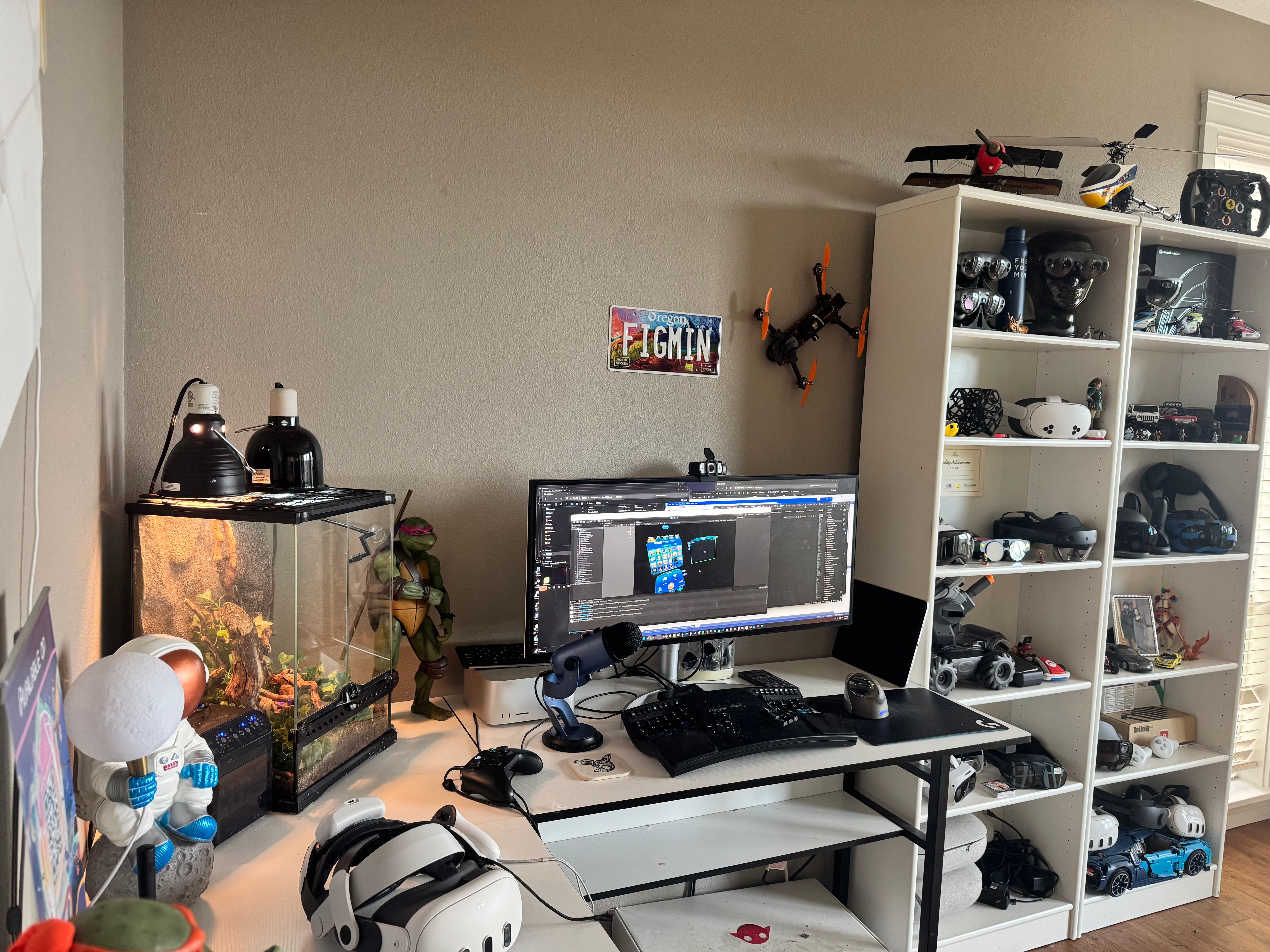
The ergonomic keyboard and mouse hint at the number of hours he spends in this space with climate controlled carefully for his reptiles. The dirty Magic Leap box as a foot rest is symbolic — it has been there since he started coding the app and it grounds him to the dream of see-through XR.
“Someday we'll get it,” Davalos says over direct message.
In a video Davalos shared showing his roving unicycle gang riding along a paved path through the green of the Pacific Northwest, you can hear mention of constant range anxiety.
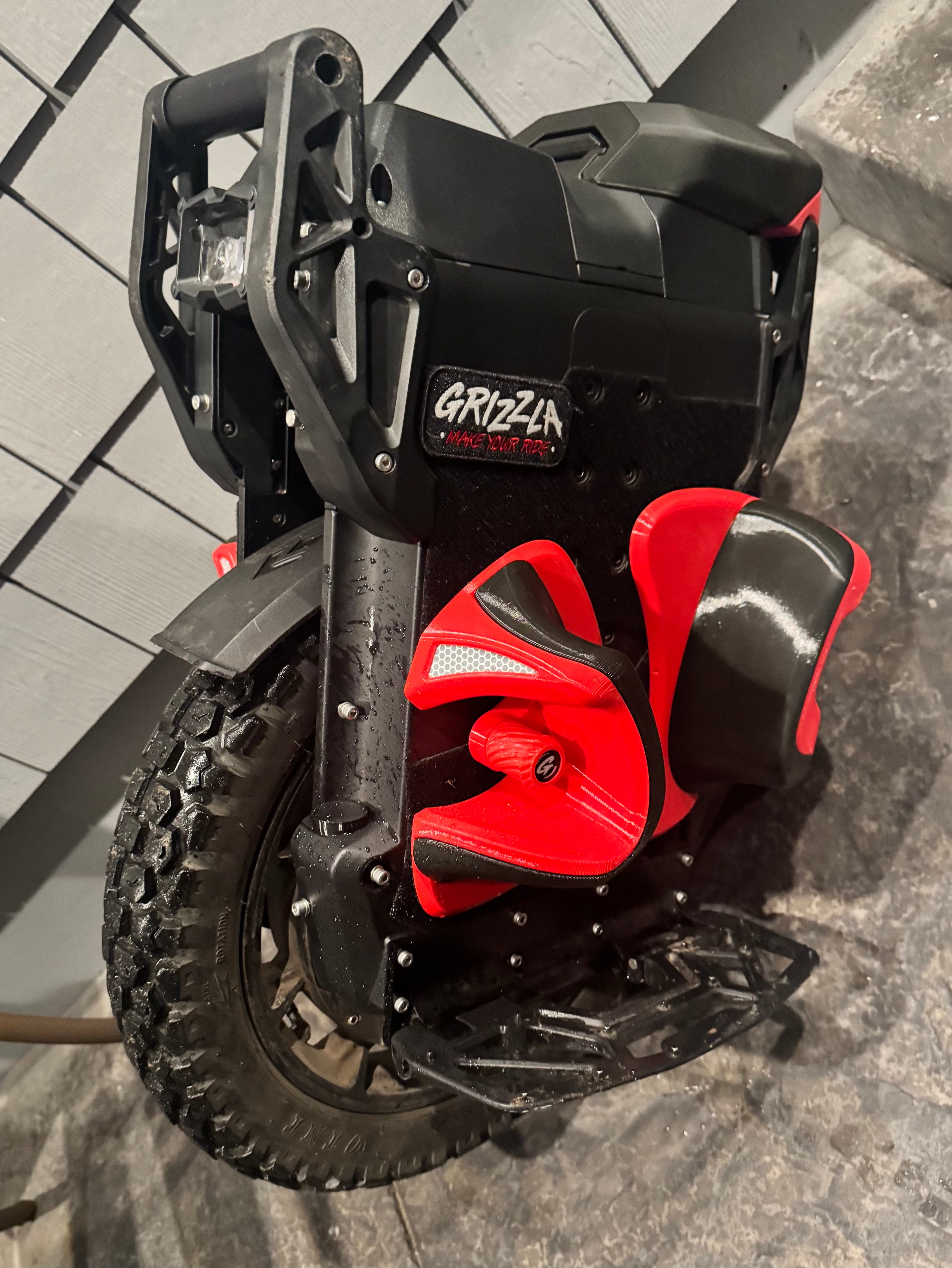
A still image shows the electric unicycle (EUC) up close, with rugged tire and a handhold to carry his transport to an electric outlet.
“The fastest I've been is 41 mph,” Davalos wrote. “But that was an exception, generally we ride at around 20/25. But every time someone asks me how fast those things go I tell them ‘as fast as you could possibly want’. It's not like a motorcycle that you have handlebars to hold on to and get a sense of safety. You are getting pushed around by the wind at high speeds and all that's holding you is your feet. So even though these machines can go very fast most people don't ride that way.”
The range anxiety Davalos feels riding his physical transport relates to the design choices in the headsets he wears to travel virtually. The Magic Leaps offload components to a wired side-worn pack, similar to Apple Vision Pro, despite the two headsets delivering augmented reality in vastly different ways. When you look closely at his desk, you can see that, much like Daven Bigelow and so many others, he’s willing to exchange discomfort when wearing Quest 3 by weighing down the back of his head with extra battery to eliminate his range anxiety in mixed reality.
Figmin XR offers multiplayer and the experience runs on a wider collection of devices than practically any other VR or AR software. His construction over the years has been helped by funding injections from most of the major platforms, giving him the freedom to disappear into his Recreation Room and come out after months of work with a major new component layered into the software. When the breakthrough art project Tilt Brush ended, for example, one of the creators of the software noted that by open sourcing the software he was committing it not to death but to immortality. Figmin keeps that spirit alive, with Davalos integrating the entire project as just another creativity component alongside voxel sculpting, Web browser integration, text editing, a motion editor, and scripting support.
The latest tooling being explored with the app is the integration of an AI assistant to help in scripting, leading to the possibility that Figmin might soon close the gap between Star Trek’s holodeck and Davalos’ imagination.
You can find Figmin XR on Quest, Steam, as well as Apple’s App Store and in several other places.
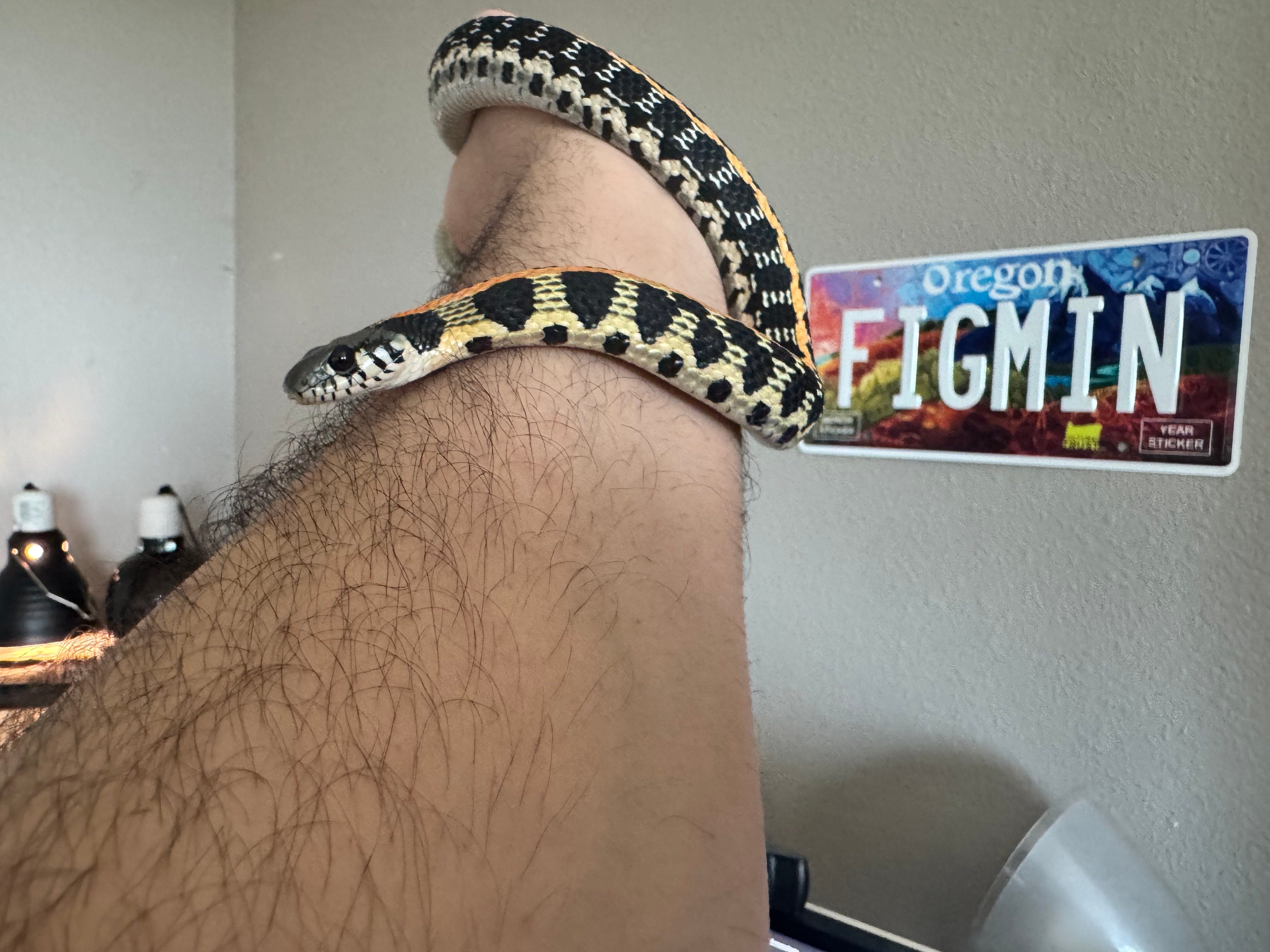
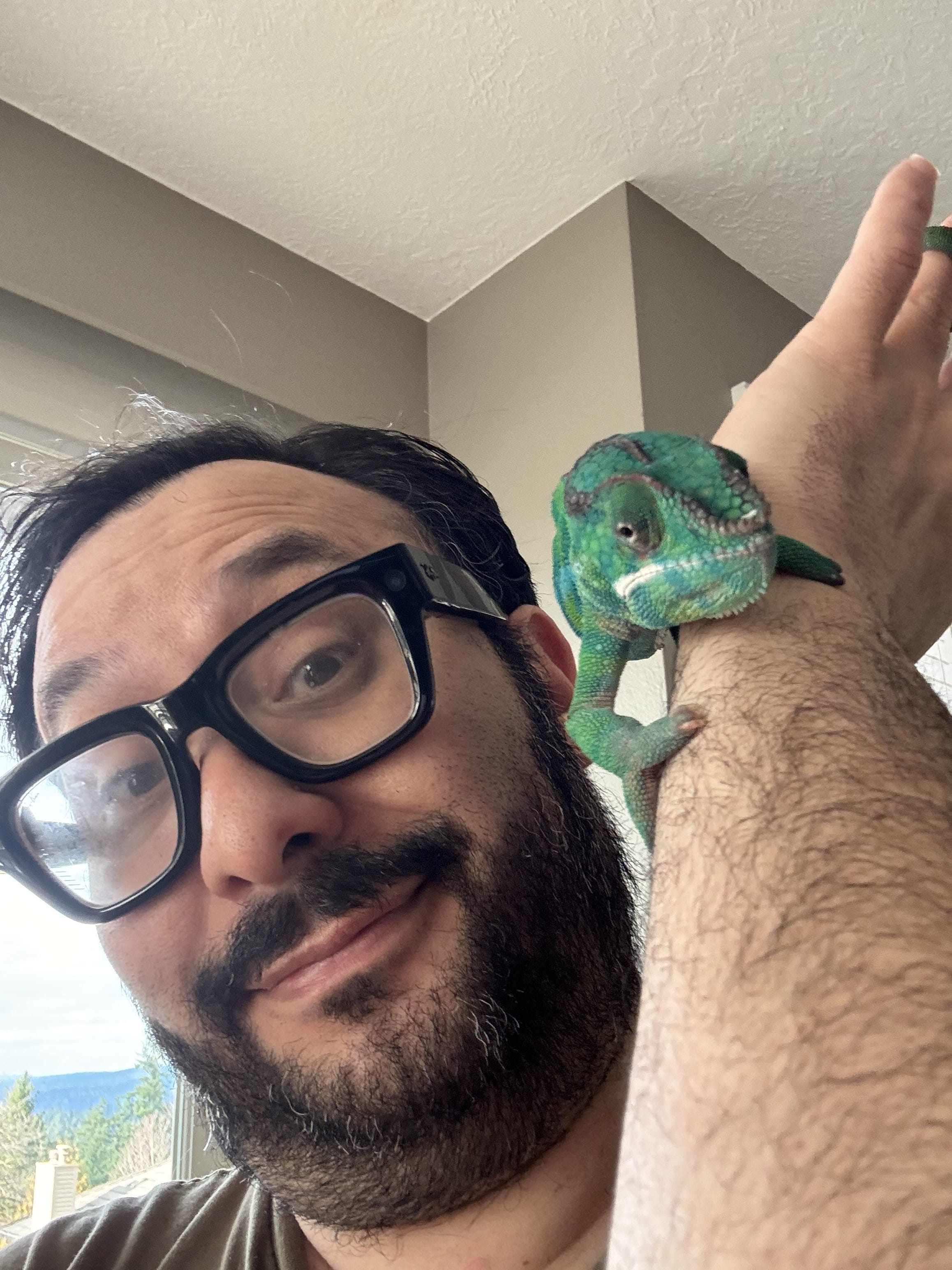
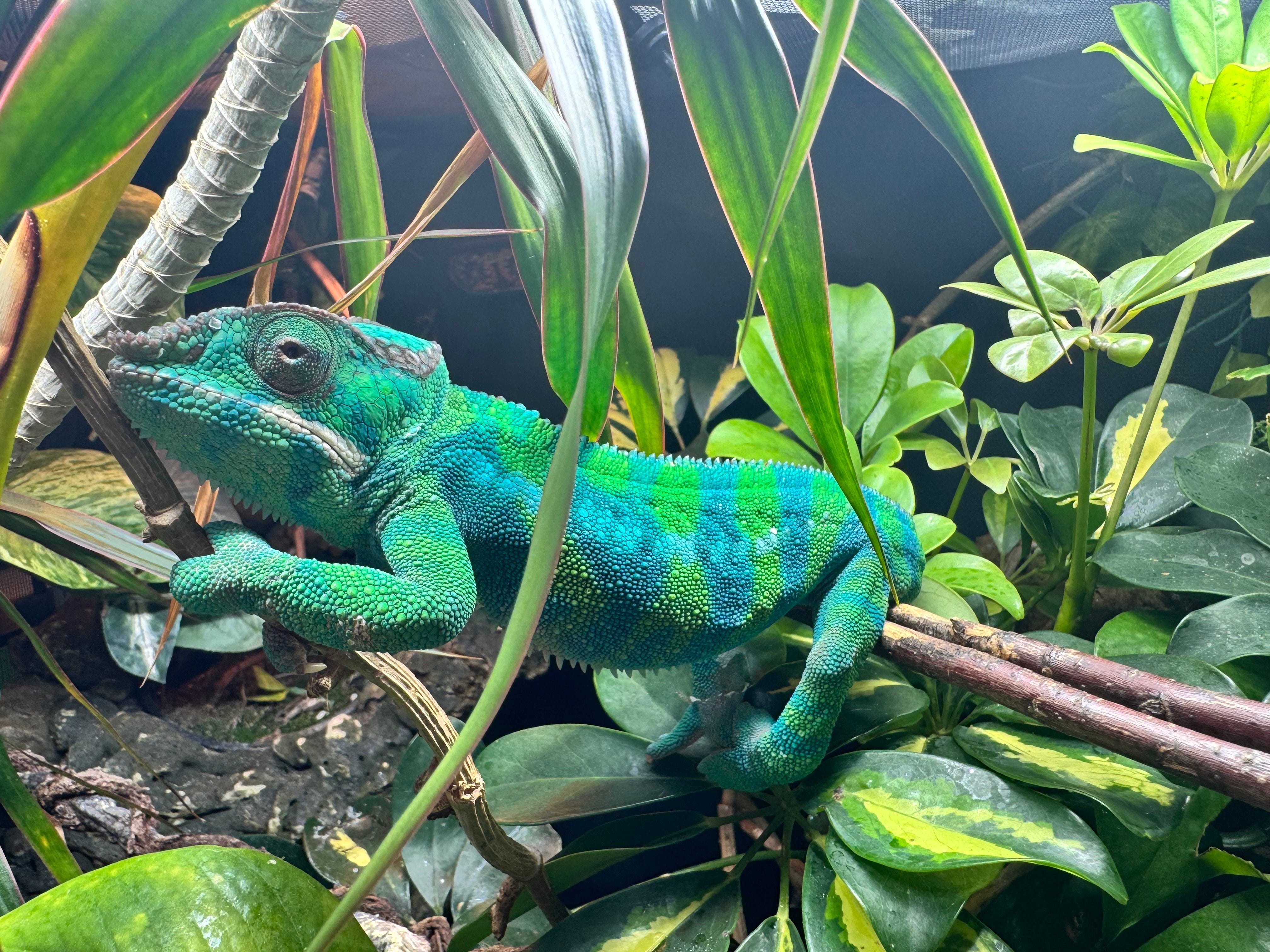
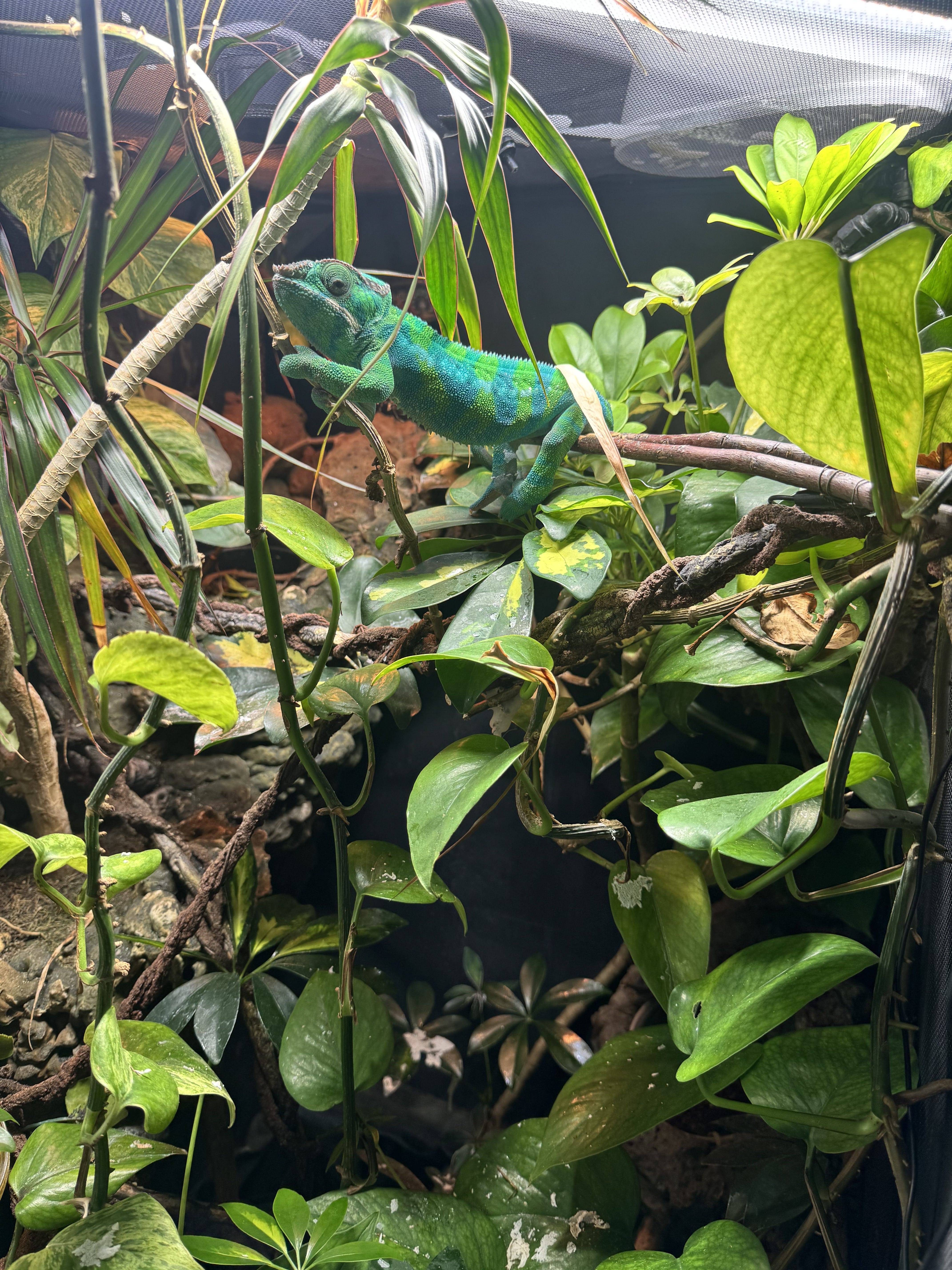
The chameleon’s name is Lumen joined by snakes Ruby, Magic, and Spot. His geckos are named Garto and Lacerta.
Good Virtual Reality is seeking more Recreation Rooms to feature showcasing the spaces and hardware that take people where they want to go — details are here for how to share yours.