Many years ago I debated my editor at the time over whether “Project Morpheus” was a name associated with The Matrix or with the greek god of dreams.
The year was 2014 and PlayStation VR wasn’t yet named. Instead, Sony introduced the forthcoming headset as Project Morpheus. MacRumors today reported that Apple leaked the name MacBook Neo (Model A3404) in a regulatory filing ahead of the laptop’s expected announcement on Wednesday.
Unhinged Speculation From Good VR
The low-cost “MacBook Neo” device is expected to marry the chipsets used in iPhone to the form factor of a laptop.
While Chromebooks might be the target for the new product category near-term, long-term Apple’s software is beginning to blur the lines between its various platforms. When you’re surrounded by several Apple devices and invoke Siri, for instance, software quickly resolves which device responds to your query. On the other end, when using an Apple Vision Pro headset with Mac Virtual Display pulled up inside of it to develop a volumetric app, you can iterate extremely fast by telling Xcode to deploy each new build directly to the headset. My M3 MacBook constrained by 8 GB of RAM, for instance, would take many minutes to accomplish the same task on its own inside of the onboard simulator of visionOS. Using just the laptop alone slows iteration time and the ability to fix bugs and test, and I also really can’t do anything else on the laptop while it devotes its resources to the development task.
Meanwhile, iPad apps are the foundation of Apple’s window strategy inside its first spatial computer and iPhone Mirroring makes it easy to operate your phone from a Mac even when it charges out of reach nearby. It is almost like Apple needs a “Neo” architecture for everything it does to form the foundations in spatial computing for decades to come. One could easily argue that aligning Apple’s iPhone chipsets with its ambitions in spatial computing could yield the company the biggest wins with economies of scale.
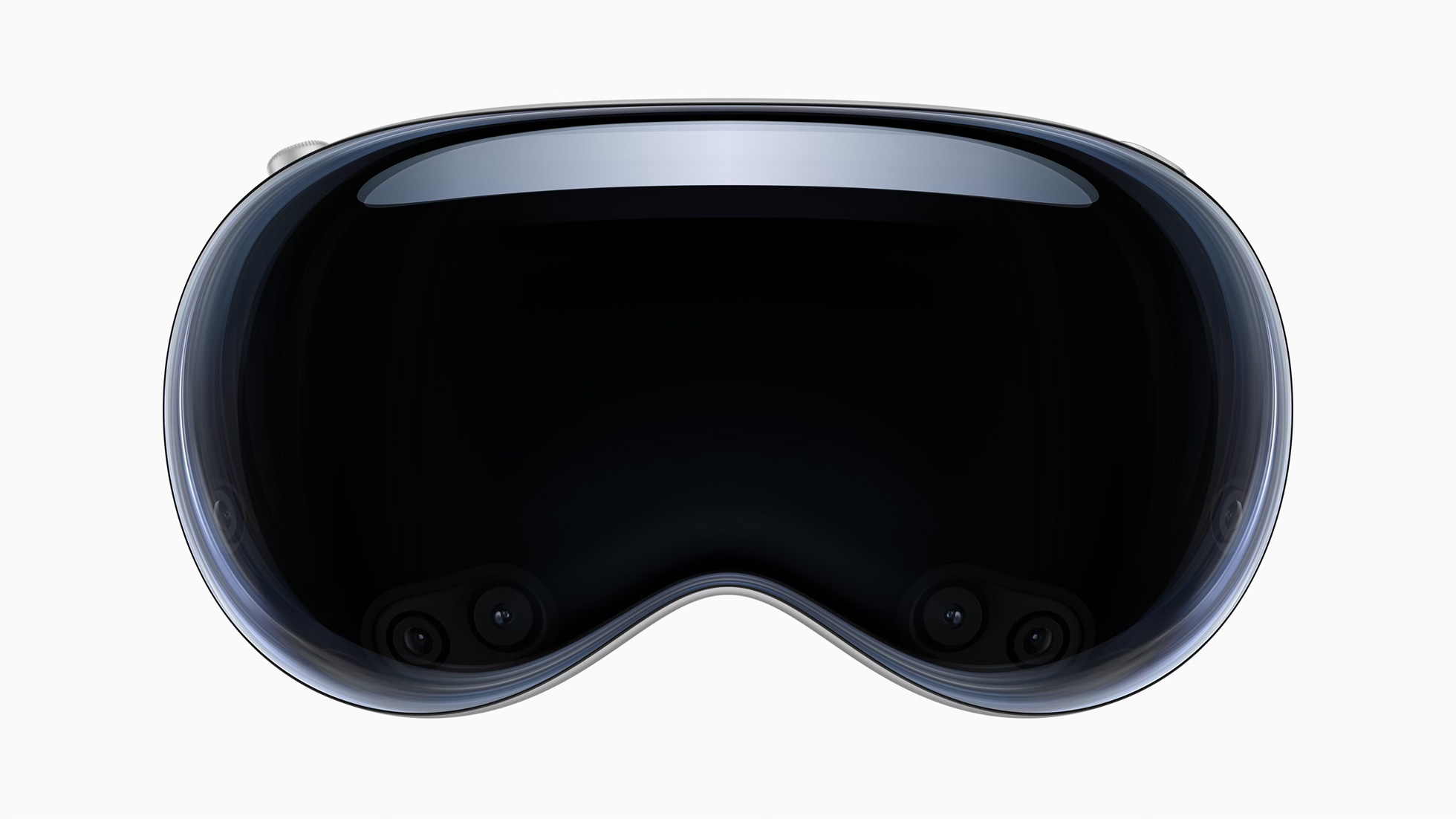
I’ve enjoyed the heavy Vision Pro headset for the last two years with features like realistic Persona avatars (that beat Meta to the punch on the same technology) and an external passthrough display that is helpful for that setup, as well as for connecting people in the same physical environment to the person in headset. Many have assumed that the features of the device represent a developer kit and minimum viable feature set for Apple’s future, with a long slow slog ahead to mass market economics and adoption.
A much lower cost headset, however, that doesn’t feature the external display and doesn’t necessarily include Persona avatars could still stream high end simulation games from a nearby Mac or PC using ALVR, and could still float iPad games and interact with iPhone Mirroring with the same gaze-pinch interface as Vision Pro.
The PlayStation VR2 controllers are sold out in Apple Stores after shipping in just enough numbers to supply developers with tracked controllers they could use to develop their ideas for the future of Apple headsets.
If Valve can’t ship Steam Frame on time because unnamed companies bought up all the memory and storage for their product plans, both the ringless Steam Frame Controllers and Steam Controller would fit right in as a complement to my probably imaginary Apple Vision Neo product in Apple Stores.